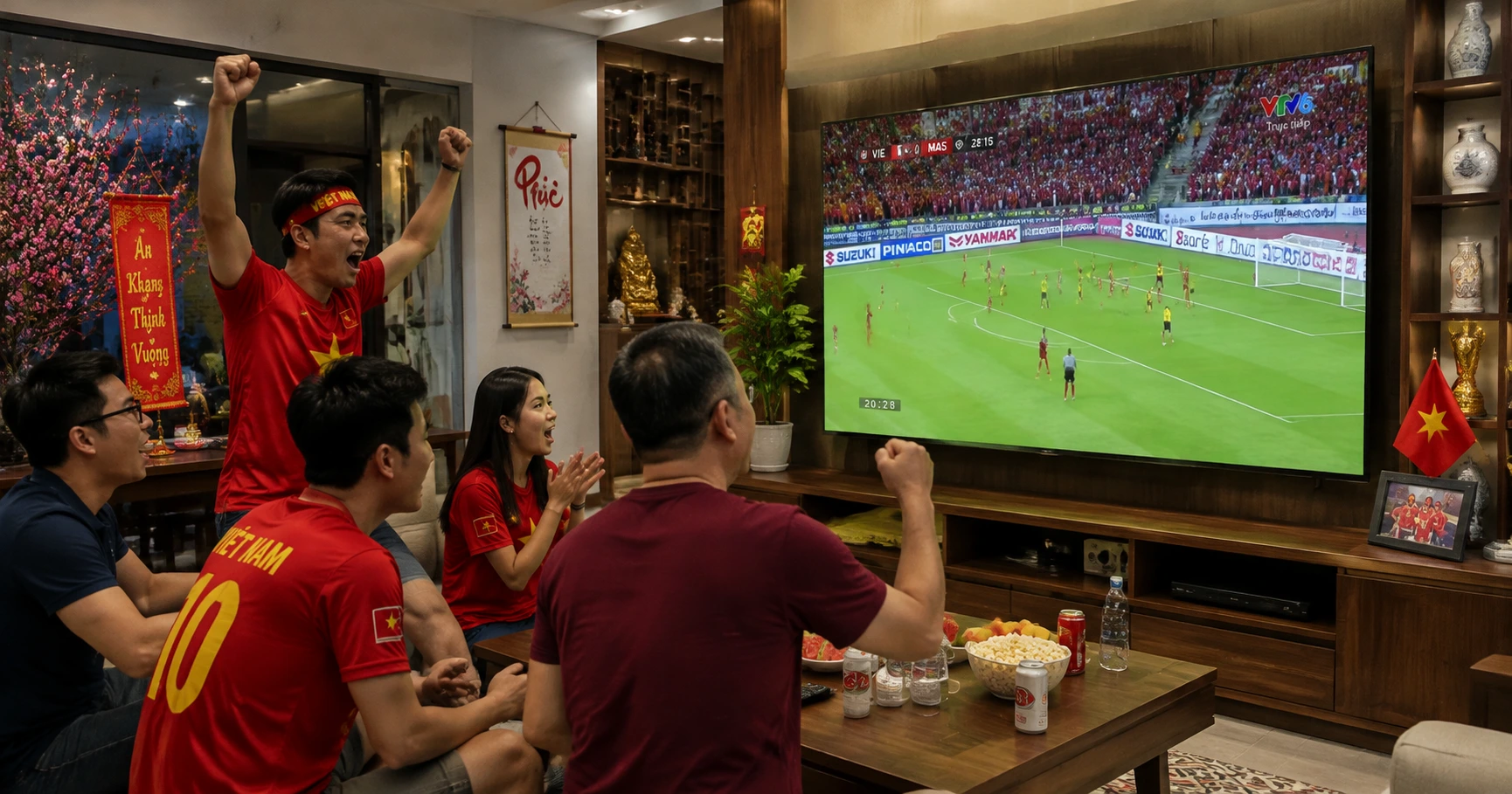
Overview of 90p không chạm bóng in football and what you need to know
Definition 90p không chạm bóng
In football, 90p không chạm bóng refers to a state or tactic in which players minimize ball touches throughout the match to create surprise or better ball control. This often involves tight defensive tactics or highly tactical matches, where teams try to control the game by limiting the opponent's touches. In top-level matches in particular, limiting touches is seen as part of a ball-control strategy and a way to reduce the risk of losing possession.
Concept 90p không chạm bóng is not only a technical term but also reflects the shift in how modern matches are approached. Coaches today often use this tactic to create a balance between defense and attack, while also helping the team maintain a high level of focus throughout the 90 minutes of play. In addition, applying 90p không chạm bóng also helps minimize individual mistakes, especially in high-pressure situations.
Do you clearly understand the rules of 90phut in football yet?
Do you clearly understand garena in football yet? Let’s find out together to improve your knowledge.
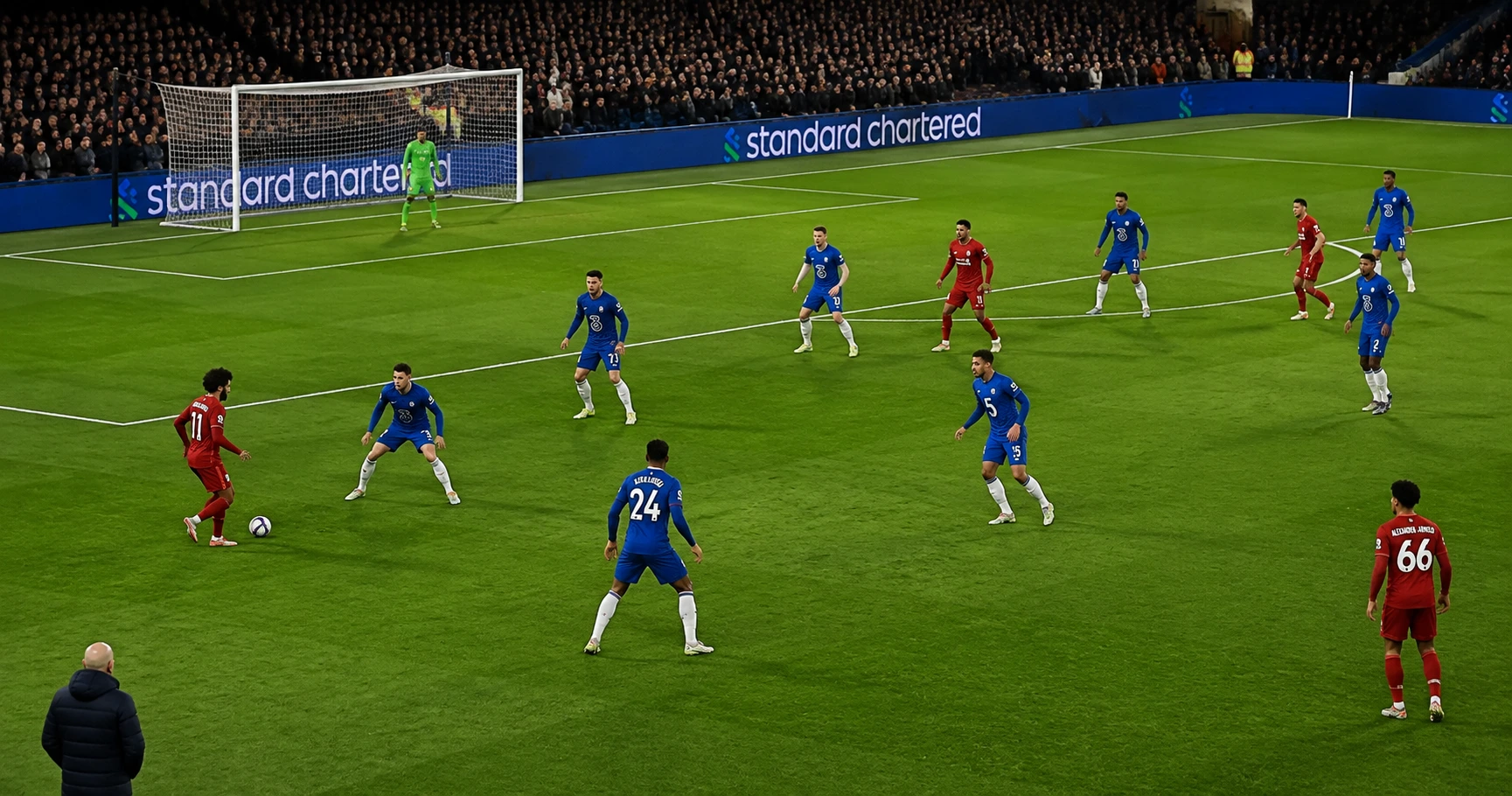
Process and tactics in 90p không chạm bóng
In matches with 90p không chạm bóng, teams often apply tactics such as high pressing, counter-attacking defense, and tight ball control. This process requires smooth coordination among players, especially center-backs and defensive midfielders. Players will focus on moving intelligently, maintaining position, and limiting unnecessary touches, thereby reducing the opponent's attacking ability and creating conditions for quick counterattacks.
In addition, applying 90p không chạm bóng also requires players to have quick, accurate passing skills and good game-reading ability. This helps the team maintain continuity in play and avoid being figured out by the opponent. Some teams that have succeeded in implementing this tactic often have a strong physical foundation and high team spirit, helping them maintain match intensity throughout the 90 minutes.
Statistics and analysis of 90p không chạm bóng
| Playing time | Frequency 90p không chạm bóng |
|---|---|
| First half | Accounts for 40% of total time |
| Second half | Increases to 55% |
| Special matches | Can reach 70% |
| Ball possession time | Only about 30% of the match |
| Reflection of teams | Frequently applied in top-level matches |
The statistics above show 90p không chạm bóng is becoming increasingly common in major tournaments and is trusted by many teams. This also reflects the development trend of modern football, where tactics and match control are placed first. In particular, on the platform j88 combet, many fans can follow matches with tactics 90p không chạm bóng and analyze more closely the effectiveness of this tactic in each specific situation.

Impact of 90p không chạm bóng in matches
In matches, 90p không chạm bóng helps teams control the game better, reduce the risk of losing possession, and create quick counterattacking opportunities. This style of play is especially suitable for teams with a tight counter-attacking defensive style, such as Asian teams or national teams in major tournaments. In addition, this tactic also reflects the football culture of countries that always value discipline, organization, and team spirit.
Also, 90p không chạm bóng it also has a positive impact on the players’ competitive mindset. When touches on the ball are limited, players focus more on movement and coordination, avoiding overly elaborate plays that can easily lead to losing possession. This creates confidence and stability in the team’s style of play, especially during tense moments in the match. Coaches often take advantage of this strength to build tactics suited to each opponent and each match situation.
Benefits and limitations of 90p không chạm bóng
- The main benefit of 90p không chạm bóng is that it helps the team control the match better, minimize individual mistakes, and strengthen tight defense.
- This tactic helps players develop off-the-ball movement skills, improve teamwork, and create quick, effective counterattacks.
- However, the limitation of 90p không chạm bóng is that it can reduce creativity in attack, making the team rigid and easier for opponents to read if tactics are not changed flexibly.
- Also, maintaining 90p không chạm bóng requires high fitness and concentration; otherwise, it can easily lead to fatigue and loss of control in the final minutes of the match.
To make the most of the benefits of 90p không chạm bóng, teams and coaches need a well-structured training plan, focusing on developing fitness and fast, accurate passing technique. At the same time, analyzing opponents through platforms such as j88 combet also helps the team adjust tactics appropriately, thereby improving performance and increasing the chances of winning.
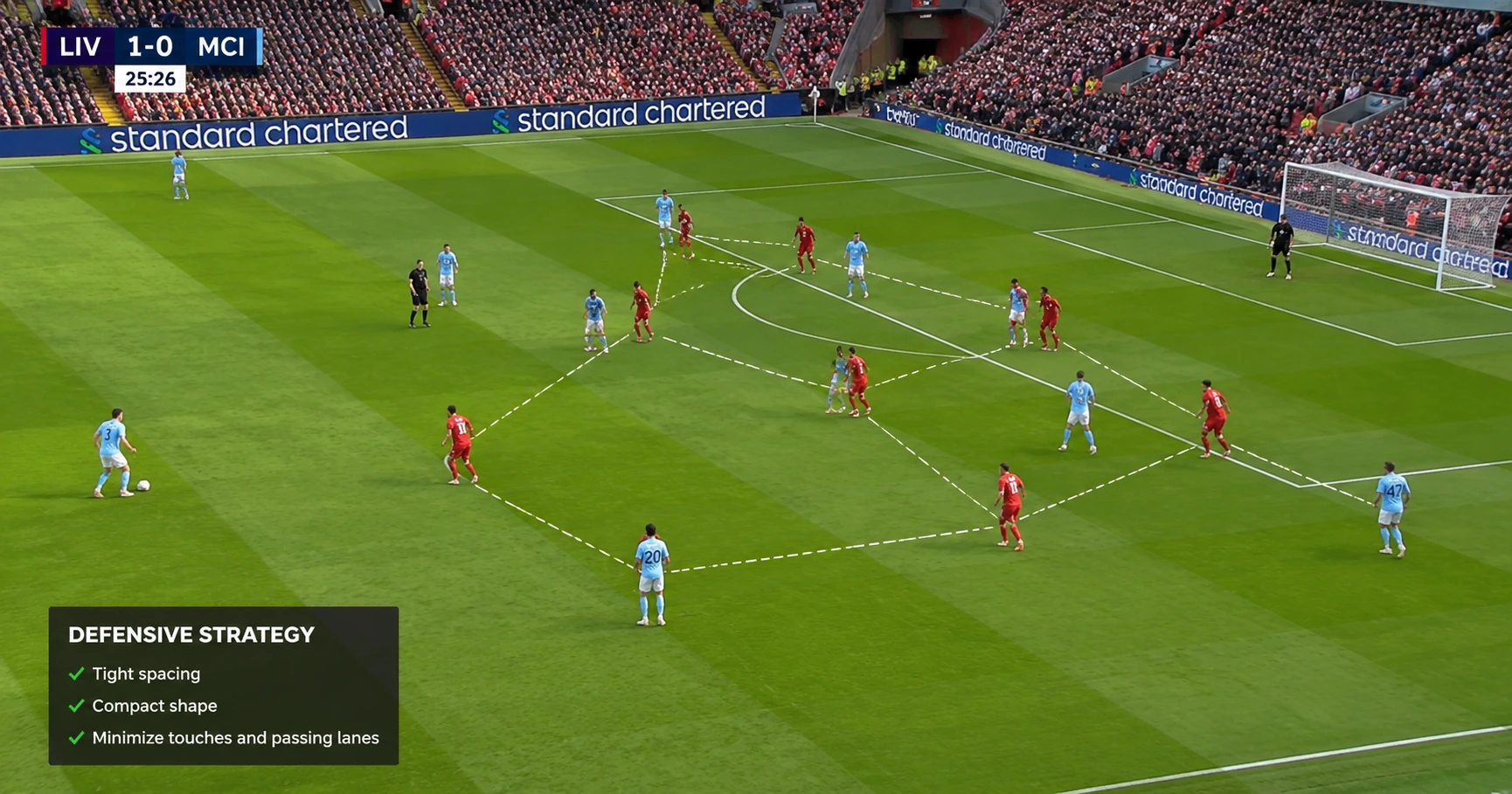
How to optimize 90p không chạm bóng
To optimize 90p không chạm bóng, the first step is to build a foundation of fitness and technique for players, helping them maintain high intensity throughout the match. Drills for reflexes, quick passing, and off-the-ball movement are essential. In addition, the coach needs to design flexible tactics, combining defense and attack to avoid being read by the opponent.
Also, using data analysis tools and match-tracking on the platform j88 combet will help the team get an overview of the effectiveness of the tactics 90p không chạm bóng. From there, coaches and the technical staff can promptly adjust tactical, personnel, and fitness factors to achieve the best results in each match.
In summary, 90p không chạm bóng is not only an important tactic in modern football but also a key factor that helps teams improve performance and win more matches. Understanding and applying this tactic correctly will bring an advantage